WhatsApp
(+66) 930900381
Introduction
Black salve, a controversial treatment often touted in alternative medicine circles, has a long history of being used for various skin conditions, including warts. Its usage dates back centuries, but it remains a subject of debate among modern medical practitioners.
What is Black Salve?
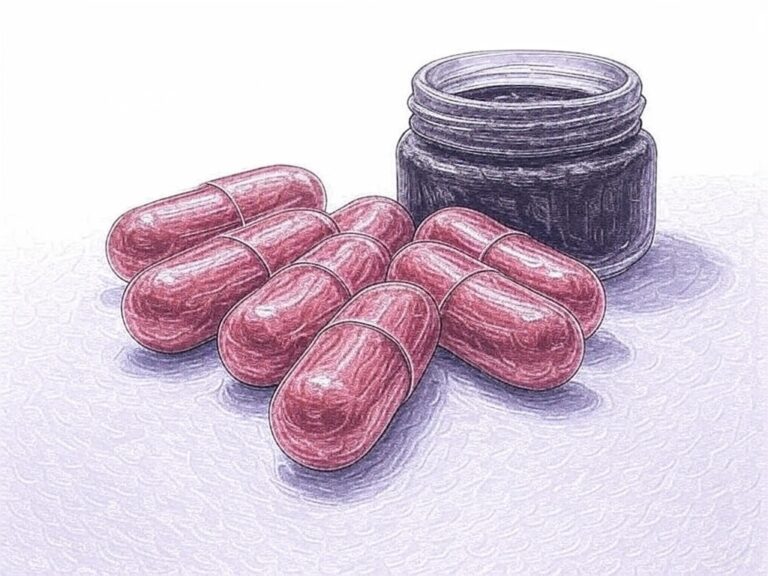
Black salve, also known as drawing salve, is a topical paste made from various herbs and compounds, with the primary ingredient often being bloodroot (Sanguinaria canadensis). Historically, it was used by Native Americans for skin lesions, and this practice was adopted by settlers in North America.
How is Black Salve Used for Warts?
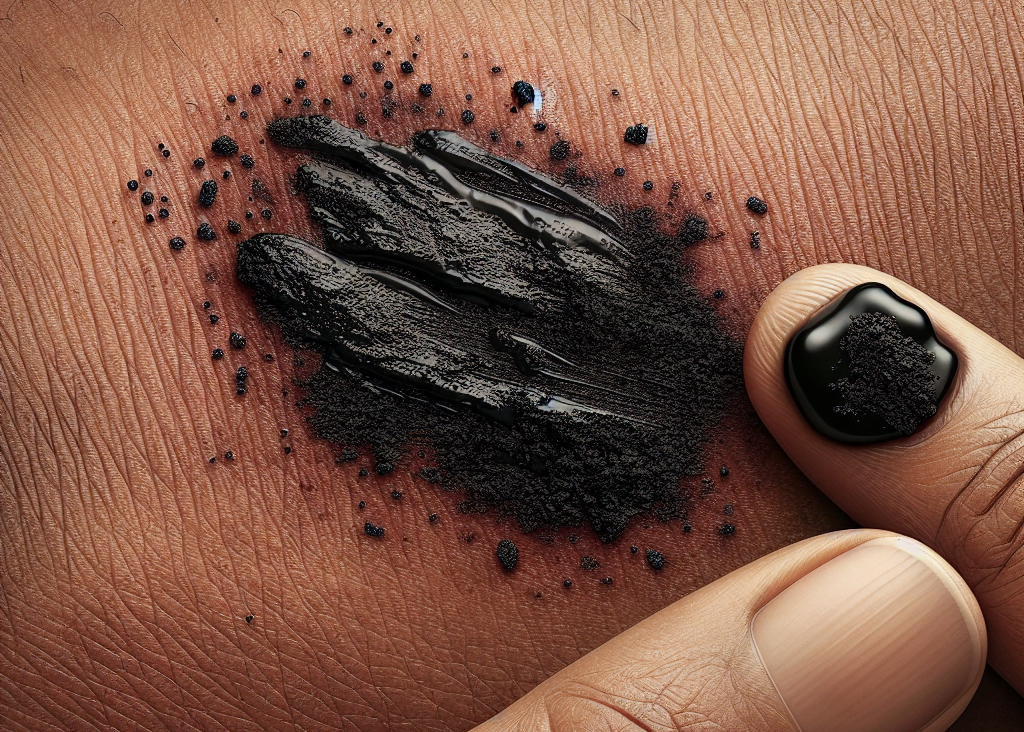
Typically, black salve is applied directly to the wart, covered with a bandage, and left for several hours or overnight. The treatment process may vary in duration, ranging from a few days to several weeks, depending on the size and stubbornness of the wart.
Effectiveness of Black Salve for Warts
There is limited scientific research on the effectiveness of black salve for warts. Anecdotal reports suggest some success, but these are not backed by robust clinical trials. The American Academy of Dermatology does not recognize black salve as a conventional treatment for warts, primarily due to the lack of scientific evidence.
Safety Concerns and Side Effects
The use of black salve comes with significant safety concerns. The U.S. Food and Drug Administration (FDA) has issued warnings about the harmful effects of black salve, including the potential for scarring, skin damage, and even tissue necrosis. The paste’s corrosive nature means it can destroy healthy skin and underlying tissues along with the wart.
Legal and Regulatory Status
Black salve is not approved by the FDA for the treatment of any skin condition, including warts. Its sale is often under scrutiny, and it is typically marketed under the guise of a general skin salve or for other non-specific uses to circumvent regulations.
Alternatives to Black Salve
For those seeking wart removal, several safer and more effective alternatives are available. Over-the-counter treatments like salicylic acid, cryotherapy (freezing), or laser treatments are commonly recommended by dermatologists. These methods have been clinically tested and are proven to be safe and effective for wart removal.
Conclusion
While black salve has historical roots in treating skin conditions, its effectiveness for warts is not scientifically proven, and its use poses significant risks. Individuals considering wart removal should consult a healthcare professional and consider safer, FDA-approved treatments.
References
- History and Composition: Learn more about the origins and ingredients of black salve from the American Cancer Society: www.cancer.org/cancer/cancer-causes/general-info/black-salve.html.
- FDA Warnings: The U.S. Food and Drug Administration provides detailed warnings and information about the risks associated with black salve: www.fda.gov/black-salve-risks.
- Dermatological Advice: The American Academy of Dermatology offers guidance on safe wart removal methods: www.aad.org/wart-removal-options.
[html_block id=”160664″]